
DGC Naturopathy Heart and Cancer Care Centre
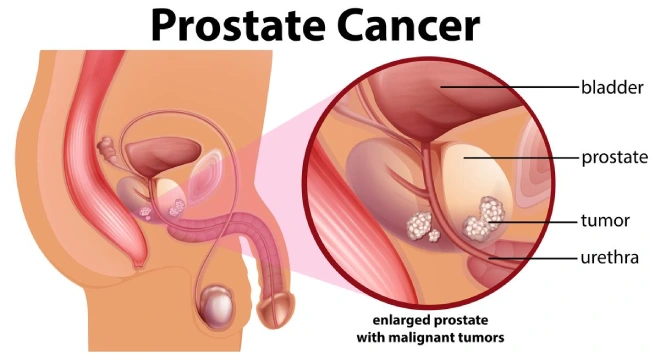
Understanding Prostate Cancer
Common Symptoms of Prostate Cancer
Initially, prostate cancer may remain silent. However, as time progresses, several symptoms may develop. For example:
Firstly, frequent urination, especially at night
Secondly, difficulty starting or stopping urination
Additionally, weak or interrupted urine flow
Moreover, pain or burning sensation during urination
Furthermore, blood in urine or semen
Meanwhile, discomfort or pain in the pelvic area
Consequently, bone pain in advanced stages
Therefore, any persistent urinary or pelvic symptoms should never be ignored. Ultimately, early consultation can prevent complications.
Causes and Risk Factors
Primarily, the exact cause of prostate cancer remains unknown. However, several risk factors significantly increase the likelihood of developing the disease. For instance:
Firstly, increasing age
Secondly, family history of prostate cancer
Additionally, hormonal imbalance
Moreover, unhealthy diet and lifestyle
Furthermore, obesity and lack of physical activity
Meanwhile, chronic inflammation
Consequently, environmental and genetic factors
Therefore, lifestyle modification and preventive care play a vital role in reducing risk.
Diagnosis of Prostate Cancer
Firstly, accurate diagnosis is essential for effective treatment. Moreover, at DGC Naturopathy Heart and Cancer Care Centre, diagnosis is approached carefully and holistically. Common diagnostic methods include:
Firstly, PSA (Prostate-Specific Antigen) blood test
Secondly, digital rectal examination (DRE)
Additionally, imaging studies if required
Moreover, biopsy confirmation in selected cases
Therefore, proper diagnosis helps determine the stage and severity of cancer. Consequently, personalized treatment planning becomes possible.
Holistic Approach to Prostate Cancer Treatment
Unlike conventional treatment alone, DGC Naturopathy Heart and Cancer Care Centre emphasizes a natural, integrative, and supportive approach. Furthermore, Dr. Dilip Donekar focuses on treating the root cause rather than only suppressing symptoms. Consequently, patients experience better tolerance and improved quality of life.
Additionally, naturopathy aims to strengthen the body’s self-healing ability. Meanwhile, natural therapies help reduce treatment side effects and support emotional well-being.
Naturopathy-Based Prostate Cancer Management
Firstly, naturopathy focuses on detoxification and immune enhancement. Moreover, it supports the body’s natural ability to fight abnormal cell growth. Therefore, treatment plans are individualized based on the patient’s condition.
Key naturopathic therapies include:
Diet Therapy
Firstly, a therapeutic diet plays a central role in prostate cancer management. Moreover, anti-inflammatory and antioxidant-rich foods are emphasized. Additionally, processed foods and excess animal fats are avoided. Therefore, a plant-based, balanced diet supports cellular healing.
Lifestyle Modification
Meanwhile, lifestyle correction is essential. Consequently, patients are guided to adopt healthy routines. Furthermore, stress management, proper sleep, and physical activity are encouraged.
Detoxification Therapies
Additionally, detoxification helps remove toxins that burden the body. Therefore, therapies such as hydrotherapy and fasting protocols may be included under supervision.
Immune Boosting Therapies
Moreover, immune-strengthening treatments help the body recognize and control abnormal cell growth. Consequently, natural supplements and therapies are used responsibly.
Managing Side Effects of Conventional Treatment
Often, prostate cancer patients undergo surgery, radiation, or hormone therapy. However, these treatments may cause side effects. Therefore, naturopathy serves as supportive care.
Common side effects managed include:
Firstly, fatigue
Secondly, digestive issues
Additionally, urinary discomfort
Moreover, emotional stress and anxiety
Furthermore, hormonal imbalance
Consequently, integrative care improves comfort and recovery.
Emotional and Mental Support
Benefits of Choosing DGC Naturopathy Heart and Cancer Care Centre
Firstly, the center offers personalized care. Moreover, treatment plans are customized based on individual needs. Additionally, natural therapies minimize harmful side effects. Furthermore, the approach focuses on long-term health improvement.
Therefore, patients benefit from:
Holistic healing approach
Improved quality of life
Better immune function
Reduced treatment-related stress
Continuous medical guidance
Ultimately, patients feel empowered and supported throughout their healing journey.