
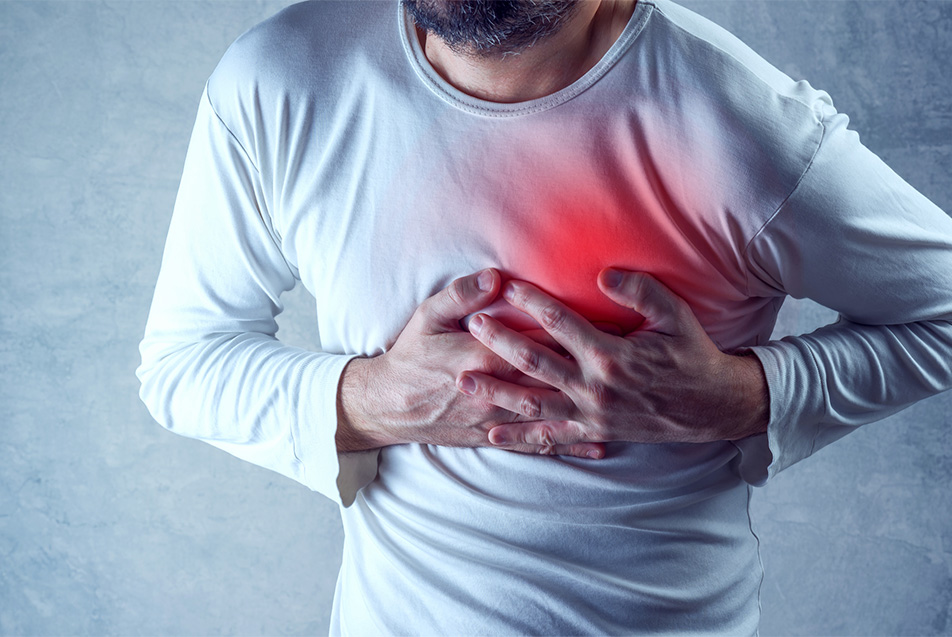
Heart Attack
A heart attack, also known as a myocardial infarction, is a serious medical emergency that occurs when blood flow to a part of the heart muscle is blocked for an extended period, leading to damage or death of the affected tissue.
What is a Heart Attack?
A heart attack occurs when blood flow to a part of the heart muscle is blocked, causing damage or death to that area of the heart. This blockage is usually due to the buildup of fatty deposits (plaque) in the coronary arteries, which supply blood to the heart.
Signs and Symptoms of a Heart Attack
Recognizing the signs of a heart attack is crucial for prompt intervention. Common symptoms include:
- Chest Pain or Discomfort: This often feels like pressure, tightness, squeezing, or fullness in the center or left side of the chest.
- Pain Radiating to Other Areas: Pain may spread to the arms (often the left arm), back, neck, jaw, or stomach.
- Shortness of Breath: Difficulty breathing may occur with or without chest discomfort.
- Nausea, Indigestion, or Vomiting: Some people may experience gastrointestinal symptoms.
- Cold Sweat, Dizziness, or Lightheadedness: These can occur along with chest discomfort.
Causes of Heart Attacks
The most common cause of heart attacks is coronary artery disease (CAD), where plaque buildup narrows the coronary arteries, reducing blood flow to the heart. Risk factors for CAD and heart attacks include:
- High Blood Pressure (Hypertension)
- High Cholesterol Levels
- Smoking and Tobacco Use
- Diabetes
- Obesity
- Sedentary Lifestyle
- Unhealthy Diet
- Family History of Heart Disease
Prevention of Heart Attacks
While certain risk factors like age and family history cannot be changed, many lifestyle-related risk factors can be modified to prevent heart attacks:
- Quit Smoking: Smoking damages blood vessels and greatly increases the risk of heart attacks.
- Healthy Diet: Eat a balanced diet rich in fruits, vegetables, whole grains, and lean proteins. Limit saturated fats, trans fats, cholesterol, and sodium.
- Regular Exercise: Aim for at least 150 minutes of moderate-intensity aerobic exercise per week.
- Maintain a Healthy Weight: Excess weight strains the heart and increases the risk of heart disease.
- Manage Stress: Practice stress-reduction techniques such as meditation, yoga, or deep breathing exercises.
- Control Blood Pressure and Cholesterol: Regular monitoring and appropriate treatment are essential.
- Manage Diabetes: Keep blood sugar levels under control with medication, diet, and exercise.